
Soulard

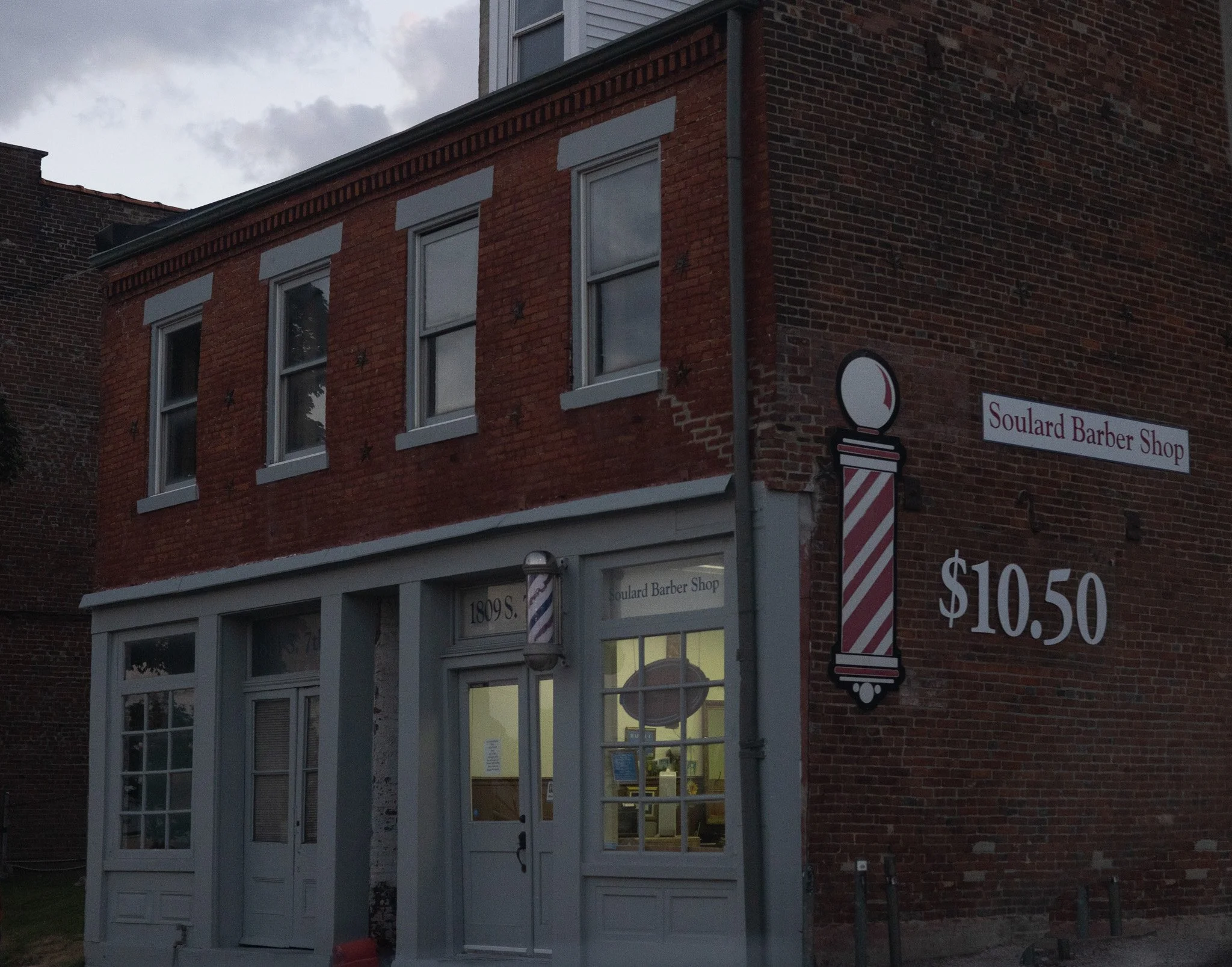
The houses in Soulard feel like they’ve been standing there long enough to have stories, and most of them have. You’ll find rows of tight, red-brick townhomes pressed right up against the sidewalk, iron fences out front, and courtyards tucked behind like little hidden worlds. A lot of them date back to the 1800s, built by brewery workers, immigrants, and folks who didn’t waste an inch of space, which is why everything feels narrow, tall, and intentional. Mixed in are the old “flounder” houses, quirky one-sided roofs that look like they’re leaning into the alley, and the occasional larger home with ornate brickwork and just enough detail to remind you somebody took real pride in building it. These days, a lot of them have been restored or reworked into modern living spaces, but they still carry that worn-in character, the kind you don’t really get anymore. You’ll also see places like Soulard Market Lofts or Soulard Condos mixed into the neighborhood, newer options that still try to match the old soul around them. Altogether, it’s a place where the homes aren’t just where people live, they’re part of why the neighborhood feels the way it does.




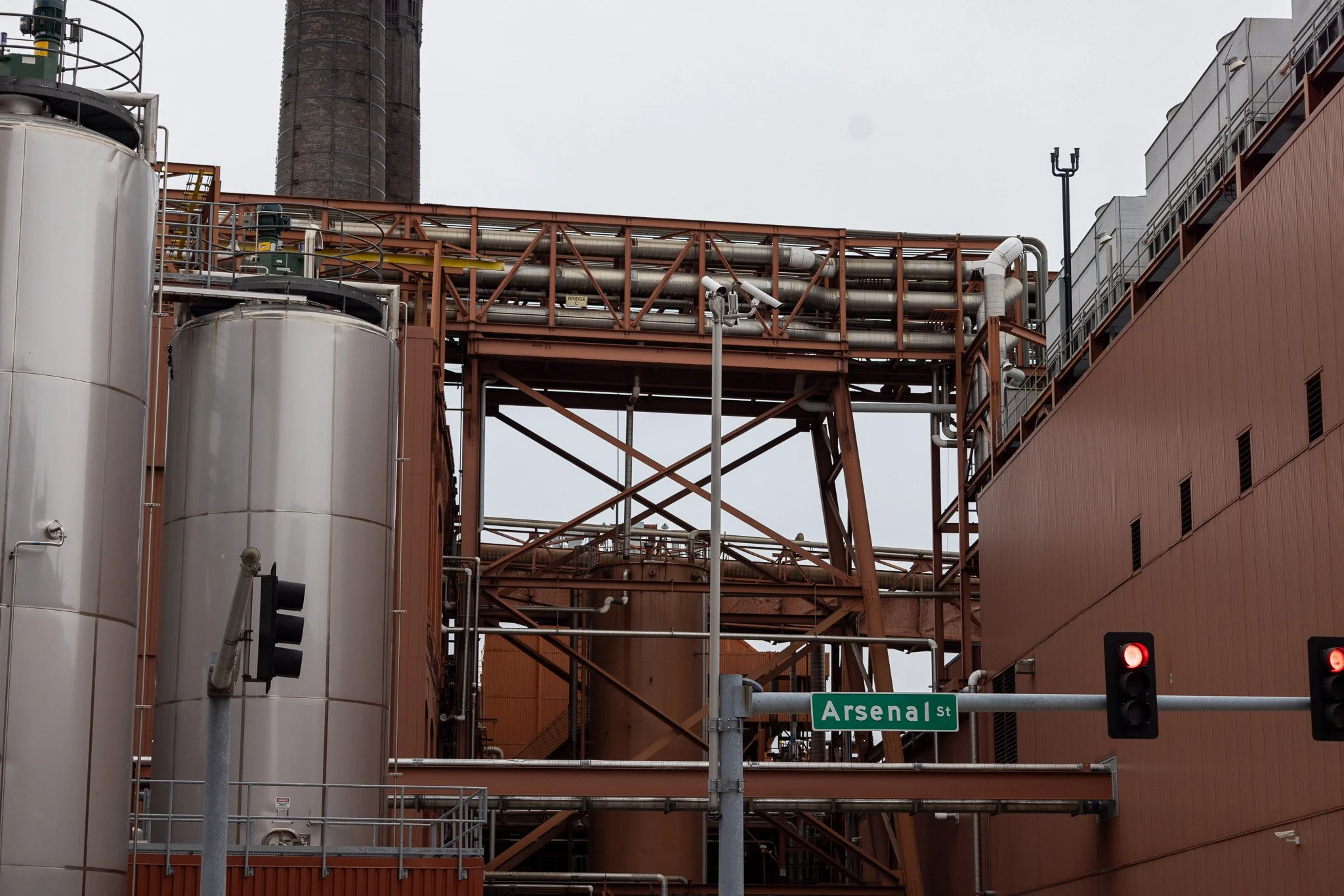
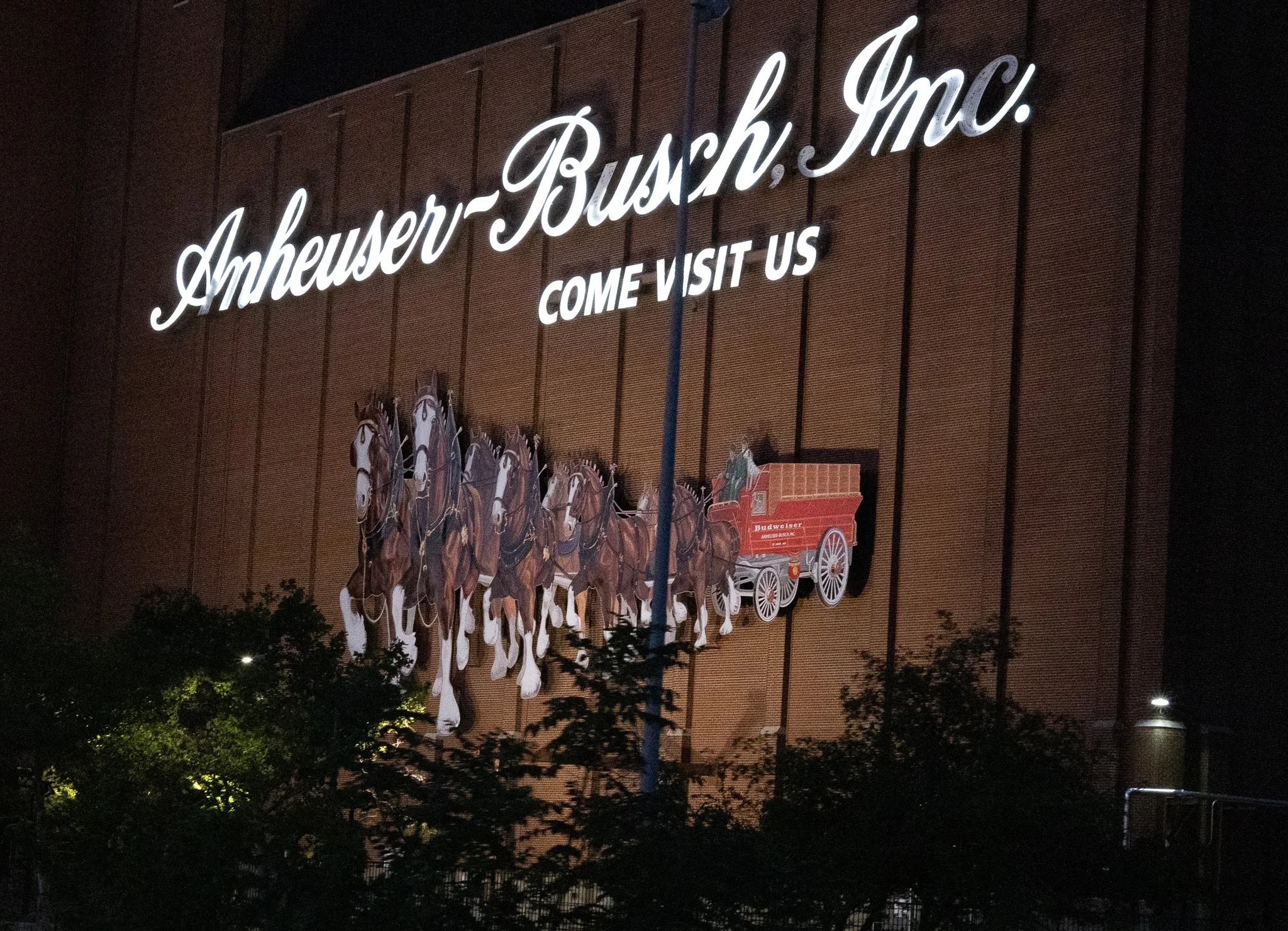
Budweiser, the king of beers, sits quietly in the heart of Soulard, its brick buildings and tall smokestacks feeling less like a factory and more like part of the city’s backbone. For generations, Anheuser-Busch wasn’t just a business, it was a point of pride, a place where families worked, where traditions were passed down, and where St. Louis left its mark on the world one bottle at a time. When the 2008 takeover came, it didn’t just register as a corporate move, it landed heavier than that, more like a death in the family for many who had grown up with its independence tied closely to the city’s identity. Even so, the brewery still hums along with a steady rhythm, producing beer on a massive scale, its iconic presence unchanged in many ways, and continuing to anchor the neighborhood as both a working facility and a reminder of what it has meant to this area for well over a century.





In Soulard, finding a good place to eat or drink is less about planning and more about following your nose and the sound of live music drifting down the street. You’ve got staples like John D. McGurk’s Irish Pub & Garden with its sprawling patio and steady Irish tunes, and 1860 Saloon, Game Room & Hardshell Café where things tend to get a little louder as the night rolls on. For food, Bogart’s Smokehouse draws a line for its barbecue, while Jack Nolen’s keeps it simple with one of the better burgers around. Then there are spots like Molly’s in Soulard and Hammerstone’s that blur the line between meal and night out, where brunch turns into afternoon drinks and somehow sticks around until evening. It all adds up to a neighborhood that doesn’t try too hard but rarely misses.
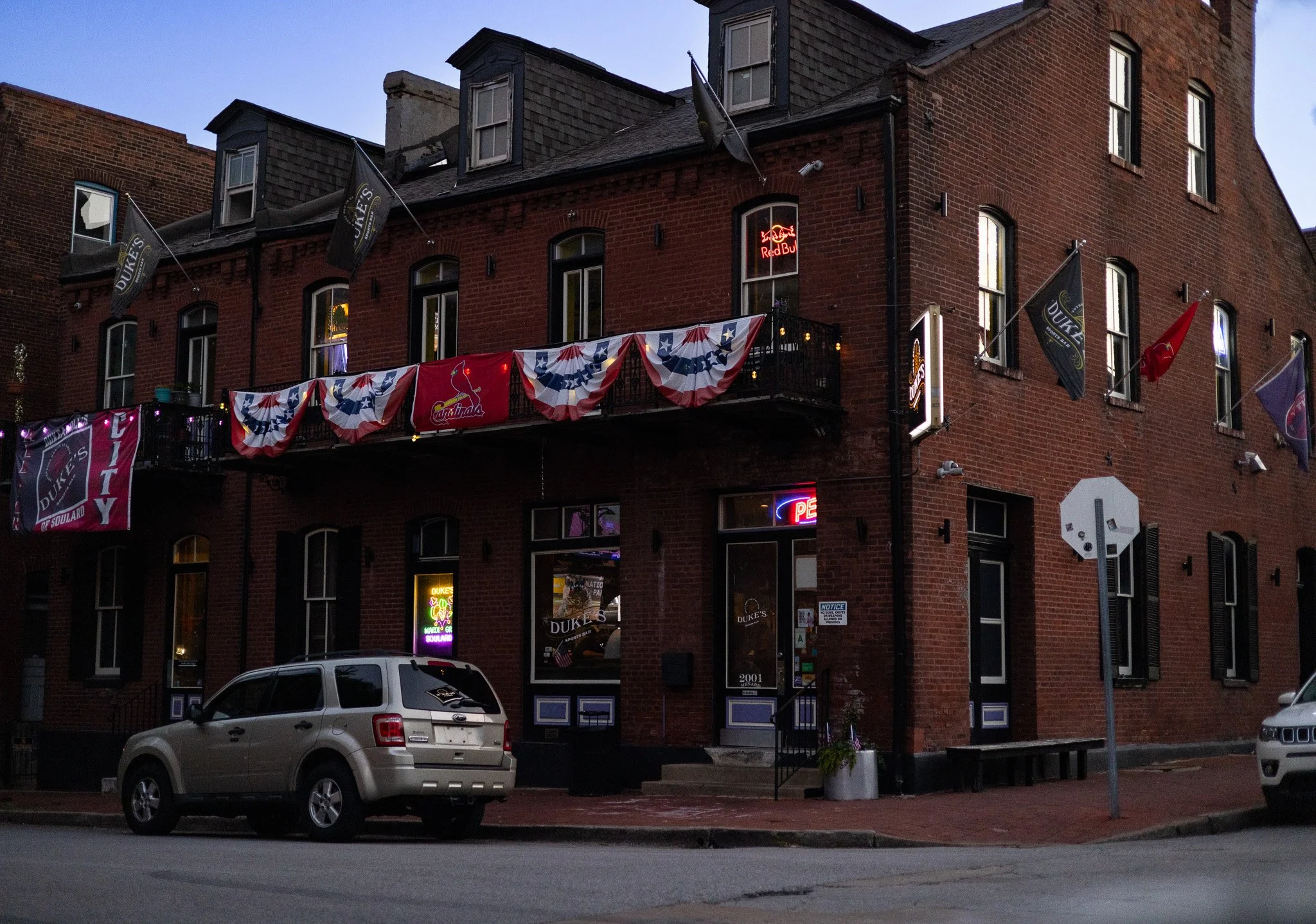


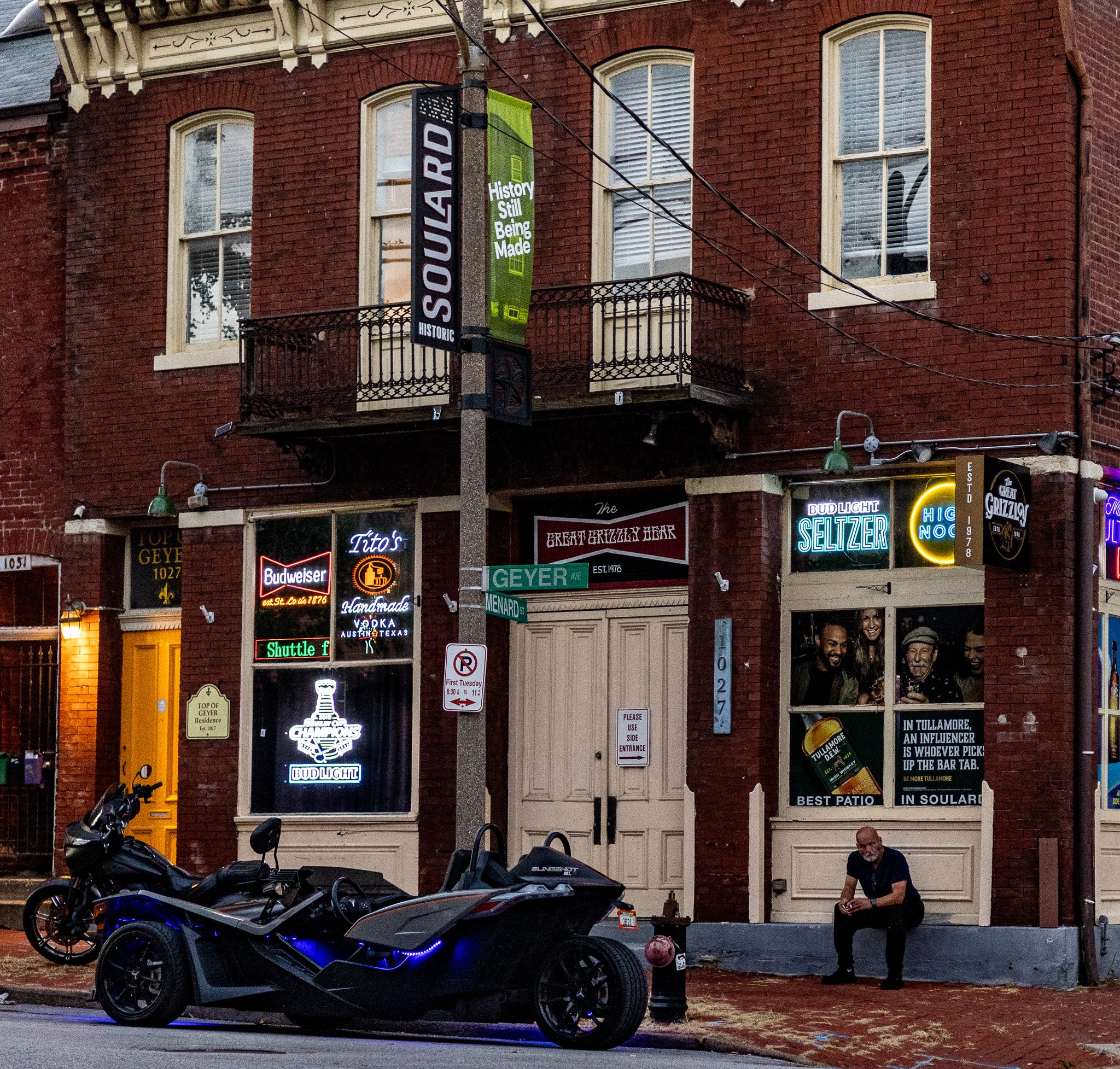



Mardi Gras in Soulard lands right in February, which in St. Louis usually means you’re either bundled up like you’re headed to the Arctic or counting your blessings for a few decent hours before the cold rolls back in. Some years it’s manageable, other years it’s snowing sideways, and in those moments people tend to treat alcohol less like a beverage and more like a survival tool. It’s a young man’s game at its core, the kind where endurance and questionable decisions go hand in hand, but over time the appeal shifts. The chaos doesn’t disappear, your tolerance for it just does, and what used to be full participation turns into more of a front row seat. You still enjoy it, just from a safer distance, watching someone else try to power through six hurricanes and a dozen tall beers while you shake your head, maybe laugh a little, and call it a win just making it home with your dignity intact.